
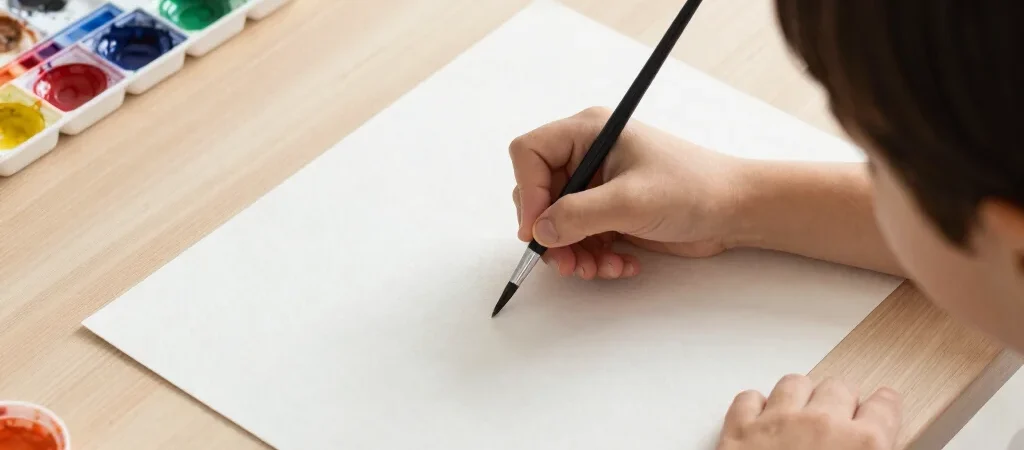
In an era characterized by short-form video feeds and rapid digital feedback, the ability to sustain focus on long-term tasks is a vital cognitive skill. Developing deep attention spans does not happen by accident; it requires deliberate cultivation within the home environment. By designing quiet spaces that reward patience, parents can help children build the mental stamina required for complex learning.
The Mechanics of Rapid Task-Switching in Early Learning
Constant exposure to rapid screen transitions trains the brain to expect continuous novel stimuli, making sustained tasks like reading or drawing feel overly challenging. Research indicates that frequent task-switching taxes executive functioning and increases mental fatigue in growing children. Mitigating this cycle begins by introducing structured periods of single-task immersion throughout the day.
Designing Micro-Environments for Uninterrupted Play
A physical environment stripped of visual chatter and constant digital notifications invites deeper engagement with physical materials. Providing open-ended tools like watercolors, clay, or building sets encourages children to lose track of time in constructive flow states. Protecting these periods from unnecessary interruptions helps solidify memory retention and spatial reasoning skills.
Cultivating Patience Through Long-Term Projects
Engaging in multi-day projects such as gardening, craft building, or long books provides a natural counterweight to instant digital gratification. When children experience the reward of persistent effort over time, they develop intrinsic motivation and trust in their own capacities. Sustained focus becomes a comfortable habit rather than an enforced chore.